
Why Are New Species So Glorious?
Posted by: Loren Coleman on May 19th, 2010
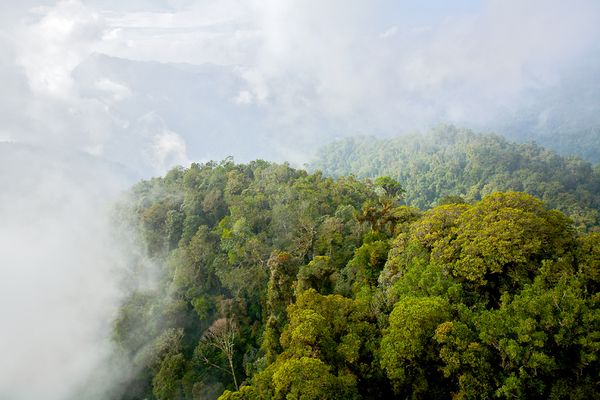
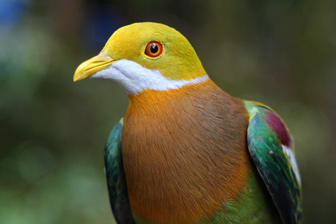
This week the Foja Mountains of western New Guinea, Indonesia, have (again) been revealed to be a treasure trove of new species, including the world’s smallest known wallaby, a Pinocchio-nosed frog, a pink-blue pigeon, a blossom bat and a yellow-eyed gecko.
Why does it seem that photographs of new species are almost always so remarkably beautiful? Is it because they are “new” or merely just striking? Are the dull new species’ photos not widely disseminated? All are significant, of course.
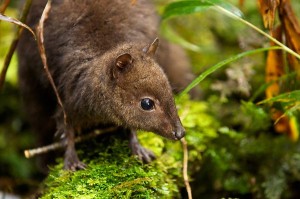
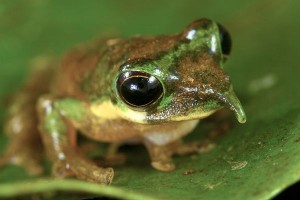

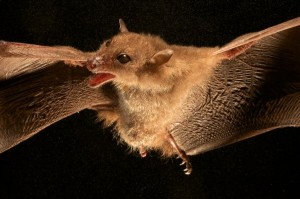
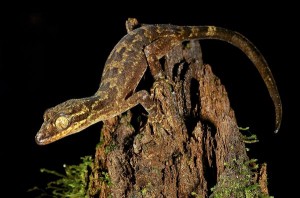
Above photos by Tim Laman/National Geographic.
Can you find the Latin names of all the new species in thirty seconds on the Internet? Think about how long it took scholars to hear about the discovery of the mountain gorilla in 1902 and learn its scientific name.
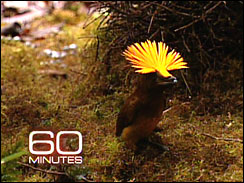
Other 21st century images of Fojo Mountains discoveries are below:
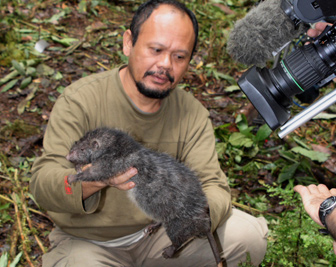
[Remember the one with a photoshopped camera put into the framing?]

 About Loren Coleman
Loren Coleman is one of the world’s leading cryptozoologists, some say “the” leading living cryptozoologist. Certainly, he is acknowledged as the current living American researcher and writer who has most popularized cryptozoology in the late 20th and early 21st centuries.
Starting his fieldwork and investigations in 1960, after traveling and trekking extensively in pursuit of cryptozoological mysteries, Coleman began writing to share his experiences in 1969. An honorary member of Ivan T. Sanderson’s Society for the Investigation of the Unexplained in the 1970s, Coleman has been bestowed with similar honorary memberships of the North Idaho College Cryptozoology Club in 1983, and in subsequent years, that of the British Columbia Scientific Cryptozoology Club, CryptoSafari International, and other international organizations. He was also a Life Member and Benefactor of the International Society of Cryptozoology (now-defunct).
Loren Coleman’s daily blog, as a member of the Cryptomundo Team, served as an ongoing avenue of communication for the ever-growing body of cryptozoo news from 2005 through 2013. He returned as an infrequent contributor beginning Halloween week of 2015.
Coleman is the founder in 2003, and current director of the International Cryptozoology Museum in Portland, Maine.











The reason they’re so beautiful is because they are a reminder to us. A reminder that even though man has nearly destroyed Mother Earth, she still offers us the amazing, the beautiful, the awe inspiring, and more reasons to conserve what little we do have left. These kinds of things are just those beautiful glimmers of hope for what the future may hold for us, and what we may lose.
To answer Professor Coleman’s question, the reason why they are so glorious is because of their ability to have remained away from the eyes of humanity for as long as they have. Locals in Indonesia have probably seen them before, but from a global perspective many “new” discoveries are coined as such because most of the world’s population has never actually seen these creatures before, in person or in film.